
10 Best Solutions On Gambling Addiction
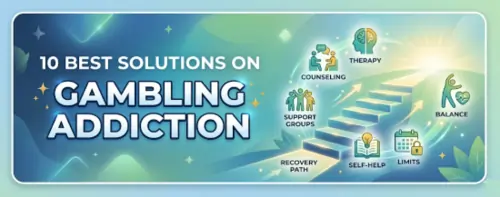
Gambling addiction is a serious issue that affects millions of people worldwide.
While gambling may begin as harmless entertainment, it can gradually turn into a destructive habit that impacts finances, mental health, relationships, and daily responsibilities.
The good news is that recovery is possible with the right support, discipline, and long-term strategies.
This guide explores the 10 best solutions on gambling addiction, including practical recovery methods, emotional coping techniques, and healthy lifestyle changes that can help individuals regain control and rebuild their lives.
Table of Contents
Understanding Gambling Addiction
Before discussing solutions, it’s important to understand what gambling addiction really means.
Gambling addiction happens when a person:
- Feels unable to stop gambling
- Continues gambling despite negative consequences
- Chases losses repeatedly
- Prioritizes gambling over responsibilities
Addiction is not simply about money—it often involves emotional triggers, stress, impulsive behavior, and unhealthy coping mechanisms.
Common Signs of Gambling Addiction
Some warning signs include:
- Constant thoughts about gambling
- Hiding gambling activity
- Borrowing money to gamble
- Emotional stress after losses
- Neglecting work, school, or family
Recognizing these signs early is one of the first steps toward recovery.
1. Admit the Problem and Accept the Need for Change
Recovery begins with honesty and self-awareness.
Many people struggle to stop gambling because they deny the seriousness of the problem.
Accepting that gambling is becoming harmful allows individuals to take meaningful action.
Why Acceptance Matters
Without acceptance:
- Excuses continue
- Harmful behavior repeats
- Recovery becomes delayed
Once individuals admit the problem, they can begin creating realistic solutions.
Helpful Actions
- Write down reasons for quitting
- List gambling consequences
- Set personal recovery goals
- Track gambling-free progress
Acknowledging the problem creates a strong foundation for long-term improvement.
2. Remove Access to Gambling Platforms
Modern gambling is highly accessible through smartphones and online apps. Reducing exposure is one of the most effective ways to prevent impulsive behavior.
Practical Prevention Steps
- Delete gambling apps
- Block gambling websites
- Unsubscribe from gambling promotions
- Avoid casino livestreams and ads
- Unfollow gambling social media pages
Limit Easy Payment Access
Digital wallets such as:
- GCash
- Maya
make instant deposits very easy.
Helpful restrictions include:
- Removing saved payment methods
- Lowering e-wallet balances
- Using separate savings accounts
Reducing convenience helps minimize impulsive gambling decisions.
3. Create a Strong Financial Recovery Plan
Financial damage is one of the biggest consequences of gambling addiction.
Creating a structured financial plan helps individuals rebuild stability and regain control.
Important Financial Steps
Build a Budget
Focus on:
- Bills
- Food
- Savings
- Emergency funds
- Family responsibilities
Track Spending
Monitor:
- Daily expenses
- Gambling-related spending
- Savings progress
Avoid Chasing Losses
Trying to recover losses through more gambling usually increases financial damage.
Accepting losses and focusing on rebuilding finances is a healthier approach.
Ask for Financial Accountability
Trusted family members can help:
- Monitor spending
- Hold savings temporarily
- Reduce impulsive access to money
Financial discipline is essential for long-term recovery.
4. Replace Gambling With Healthier Activities
Many people gamble because they seek excitement, entertainment, or stress relief. Replacing gambling with healthier alternatives helps reduce emotional dependence.
Positive Alternatives
Healthy hobbies include:
- Video games
- Sports and fitness
- Reading
- Traveling
- Music and art
- Cooking
- Photography
Physical Activity Helps Recovery
Exercise improves:
- Mood
- Self-control
- Stress management
- Emotional stability
Even simple activities like walking or jogging can reduce gambling urges.
Why Replacement Activities Work
The brain still needs stimulation and enjoyment. Healthy hobbies provide emotional satisfaction without financial risk.
5. Improve Emotional and Mental Health
Gambling addiction is often connected to emotional struggles.
People may gamble to escape:
- Stress
- Anxiety
- Loneliness
- Depression
- Financial worries
Learn Healthy Coping Mechanisms
Helpful emotional strategies include:
- Meditation
- Journaling
- Deep breathing exercises
- Prayer or spirituality
- Relaxation techniques
Reduce Emotional Decision-Making
Avoid gambling during:
- Stressful moments
- Arguments
- Emotional breakdowns
- Financial pressure
Improving emotional awareness helps prevent impulsive behavior.
6. Seek Professional Counseling or Therapy
Professional support can greatly improve recovery success.
Therapists and counselors help individuals:
- Identify gambling triggers
- Develop coping strategies
- Improve emotional control
- Build healthier routines
Support Groups Can Help
Recovery groups provide:
- Accountability
- Shared experiences
- Motivation
- Emotional understanding
Knowing others face similar struggles reduces feelings of isolation.
7. Rebuild Relationships and Social Support
Gambling addiction often damages trust and relationships.
Rebuilding strong support systems helps recovery by reducing loneliness and emotional stress.
Healthy Communication Matters
Helpful actions include:
- Honest conversations
- Apologizing for past mistakes
- Rebuilding trust slowly
- Spending more quality time together
Supportive relationships create emotional stability and encouragement.
8. Set Clear Personal and Financial Goals
Strong goals help shift focus away from gambling and toward meaningful achievements.
Financial Goals
Examples:
- Saving money
- Paying off debt
- Building emergency funds
- Supporting family needs
Personal Growth Goals
Examples:
- Learning new skills
- Career advancement
- Starting a business
- Improving health
Long-term goals create motivation to stay disciplined.
9. Practice Patience and Celebrate Progress
Recovery takes time. Some people expect instant results and become discouraged after setbacks.
Focus on Progress, Not Perfection
Celebrate small victories:
- Gambling-free days
- Savings improvements
- Better emotional control
- Stronger relationships
Every step forward matters.
Avoid Self-Blame
Relapses may happen during recovery. Instead of giving up:
- Learn from mistakes
- Identify triggers
- Continue improving
Patience builds long-term success.
10. Educate Yourself About Gambling Risks from the 10 Best Solutions On Gambling Addiction
Understanding how gambling works helps individuals make smarter decisions.
Important Things to Learn on 10 Best Solutions On Gambling Addiction
- House edge and probability
- Psychological gambling tactics
- Addiction warning signs
- Financial risks
Knowledge reduces unrealistic expectations and emotional decision-making.
Awareness Builds Prevention on 10 Best Solutions On Gambling Addiction
The more informed individuals become, the easier it is to avoid harmful habits.
Brief Summary on the 10 Best Solutions On Gambling Addiction
| Solution | Main Benefit |
|---|---|
| Accept the Problem | Builds self-awareness |
| Remove Gambling Access | Reduces temptation |
| Financial Recovery Plan | Restores stability |
| Healthy Alternatives | Replaces gambling habits |
| Emotional Wellness | Improves self-control |
| Professional Therapy | Provides expert support |
| Social Support | Reduces isolation |
| Personal Goals | Builds motivation |
| Patience and Progress | Encourages consistency |
| Education and Awareness | Prevents risky behavior |
Additional Daily Recovery Tips for the 10 Best Solutions On Gambling Addiction
Build Healthy Routines
- Sleep properly
- Exercise regularly
- Eat healthier meals
- Avoid boredom
Stay Accountable
- Track progress daily
- Talk openly with trusted people
- Set realistic recovery goals
Focus on Positivity
Recovery is easier when individuals focus on growth rather than guilt.
Conclusion on the 10 Best Solutions On Gambling Addiction
Gambling addiction can feel overwhelming, but recovery is absolutely possible with the right mindset, support, and consistent action.
By accepting the problem, limiting temptation, improving emotional health, strengthening finances, and building healthier habits, individuals can regain control and create a more stable future.
The journey may take time, but every positive step matters. Long-term recovery is built through patience, discipline, self-awareness, and support from trusted people.
With proper solutions and determination, a healthier and more balanced life is always achievable.
For more information and clarification visit SIMPLEPANALO